
Oct 5, 2025
6
min read
Medically Reviewed
Share






The Volume Problem That No Amount of Hiring Can Fix
The fundamental challenge facing every busy practice front desk is that call volume does not arrive in a smooth, manageable stream. It arrives in spikes. Monday mornings, the hour after public holidays, the afternoon of a vaccine announcement, the day the practice sends out recall notices — each of these events can triple the inbound call volume within minutes, and the front desk has no way to scale up capacity to meet those spikes. The queue builds, hold times stretch, and patients either wait impatiently or hang up and call the next practice on their list.
Adding staff does not solve this problem efficiently because the extra capacity is only needed during the spikes. A team large enough to handle the Monday morning rush is overstaffed for the rest of the week, and in a sector where every labour dollar matters, that is not a sustainable model. Practices need a way to absorb the spikes without carrying permanent excess headcount, and that is exactly what AI telephony provides.
MediQo’s CALLA module is designed to absorb the overflow. It answers every call on the first ring, handles the routine bookings and enquiries that make up the majority of inbound calls, and only passes the calls that genuinely need a human through to the front desk. The reception team still manages the counter, still handles complex patient interactions, and still controls the patient experience, but they do it without the constant interruption of a phone that will not stop ringing.
What the Front Desk Gains When AI Handles the Routine
The most immediate benefit reception staff notice when AI absorbs the routine call volume is not speed or efficiency; it is the reduction in cognitive load. A receptionist who is constantly interrupted by the phone while trying to check in a patient, process a payment or manage a complex booking operates in a state of fractured attention that is both stressful and error-prone. When the AI handles the calls, the receptionist can complete one task before starting the next, and the quality of both the work and the workplace experience improves measurably.
The practical difference this makes across a day is substantial. A receptionist who previously managed forty phone calls and thirty counter interactions might, with AI handling the predictable calls, manage ten phone calls and forty-five counter interactions. The total volume of work handled by the practice increases, but the staff member’s stress decreases because the remaining calls are the interesting ones: the patient with a complex scheduling need, the caller who requires reassurance, the enquiry that needs human judgement. The AI has filtered the noise and left the signal.
This shift also affects the quality of information flowing through the practice. When a human receptionist is rushed, the notes taken during a phone booking are often brief and incomplete, creating problems downstream for the clinician who relies on accurate intake information. CALLA captures structured, complete details on every call and writes them directly into the practice management system, so the clinical team starts each consultation with better information than they would have received from a hurried phone note.
Expert Tips
"I have spoken with dozens of practice owners who are reluctant to add an AI receptionist because they worry it signals a lack of care for their patients. The opposite is true. Your front desk team is already stretched thin answering the same questions hundreds of times a week. When you automate the predictable volume, you are not reducing the human element of your practice; you are protecting it. You are giving your reception staff the headspace to do what they do best, which is making every patient feel welcomed and cared for in person." — Arash Zohuri, CEO, MediQo
Reducing Staff Turnover by Changing the Nature of the Work
Staff turnover at the front desk is one of the most persistent operational challenges in Australian general practice. Reception roles have high burnout rates, driven largely by the relentless combination of high volume and low control. The phone rings, the counter queues build, and the receptionist has no way to slow either one down. Over time this erodes job satisfaction, and experienced reception staff leave for roles that offer a more manageable work environment, taking years of practice-specific knowledge with them.
AI does not eliminate the reception role, but it changes the content of the role in a way that makes it more sustainable. The receptionist’s day shifts from managing interruptions to managing interactions. The volume of work remains high, but the nature of the work shifts toward the parts of the job that require human skill: building rapport with patients, navigating complex scheduling decisions, handling payment enquiries with empathy and managing difficult conversations with calm professionalism. Those are the skills that make a great receptionist, and they are the skills that are most rewarding to use.
For practice owners, the financial impact of reduced turnover is significant. Replacing an experienced receptionist costs thousands of dollars in recruitment, training and lost productivity, not to mention the disruption to patient relationships that occurs every time a familiar staff member leaves. By making the role more sustainable, AI helps practices retain the experienced staff they already have, which is far more cost-effective than recruiting their replacements.
Key Takeaways
AI does not replace receptionists; it absorbs the repetitive call volume that overwhelms them every day.
When AI handles routine enquiries, front desk staff can focus on complex patient needs and in-person care.
Automation reduces staff turnover by removing the most frustrating and interruptive parts of the reception role.
The best AI reception tools integrate directly with practice systems so information flows without manual re-entry.
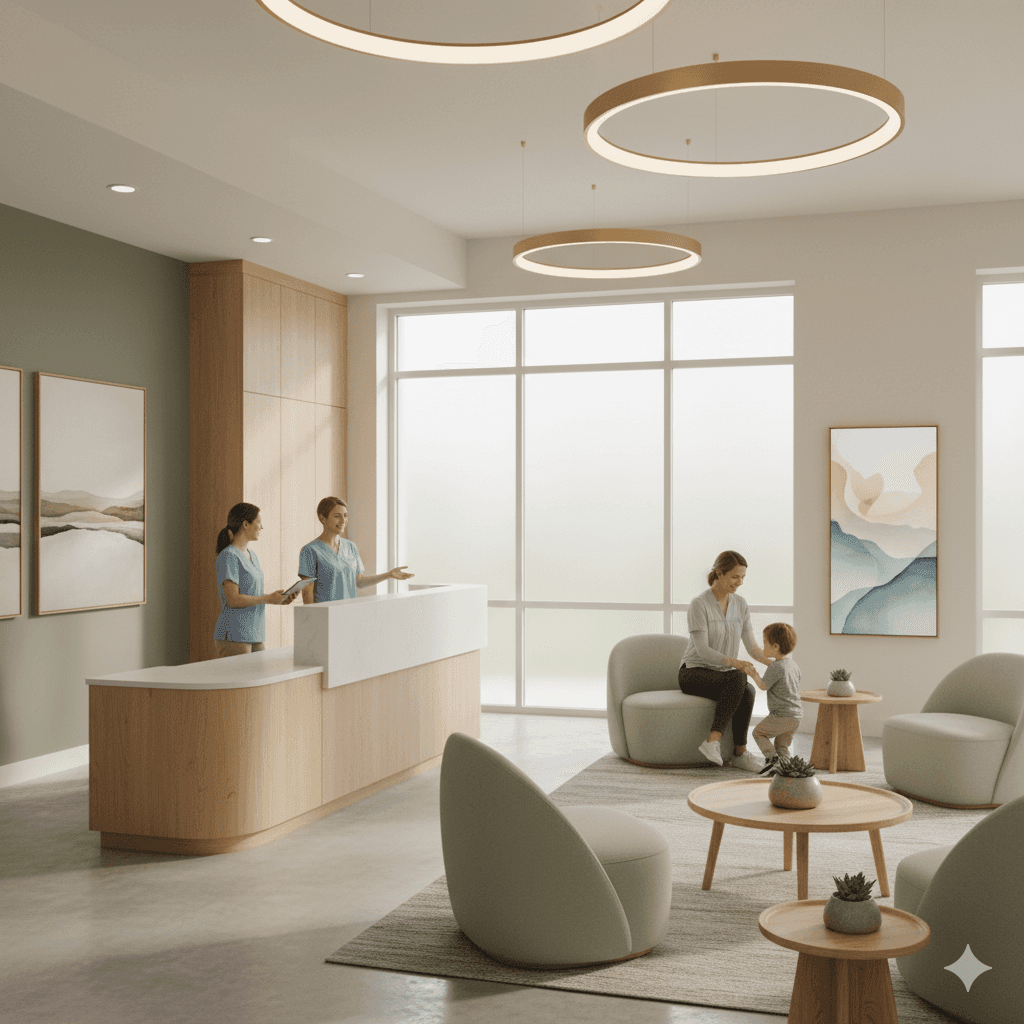
The front desk of a busy Australian general practice is one of the most demanding environments in healthcare. The person sitting behind the counter is simultaneously a switchboard operator, a triage officer, a data-entry clerk, a payment processor and the public face of the practice. Every phone call that comes in competes for attention with the patient standing at the counter, the patient on hold and the patient who has just walked through the door. It is a role defined by constant interruption, and the cumulative weight of those interruptions is one of the primary reasons experienced reception staff leave the profession.
For years the only solution to front desk overload was to hire more people, but that solution has become increasingly unavailable as workforce shortages tighten across Australian healthcare. Practises cannot simply add headcount when every qualified receptionist in the local market is already employed or has moved into a less stressful role. The alternative is to change the nature of the work itself by using AI to absorb the repetitive, high-volume tasks that currently consume most of the front desk's time.
This article explores how AI supports front desk teams by handling the predictable volume that overwhelms them, freeing them to focus on the complex, human interactions that technology cannot replace. It is not a story about robots taking jobs; it is a story about giving skilled people the chance to do the part of their job they actually find meaningful.
Share