
Oct 5, 2025
6
min read
Medically Reviewed
Share






The Trap of the "Human Switchboard"
To understand the value of an AI receptionist, one must first acknowledge the limitations of the current manual workflow. In many practices, the reception team is the primary filter for all incoming communication. Whether a patient calls to book a standard consult, ask for opening hours, or report a medical emergency, the workflow is the same: a human must pick up the phone. This lack of differentiation means that low-value administrative interactions compete for resources with high-stakes clinical communications.
When staff are forced to act as human switchboards, the quality of the in-clinic experience degrades. A patient standing at the desk feels deprioritised when the receptionist breaks eye contact to answer a call. Furthermore, the cognitive load on staff is unsustainable. Constant interruption leads to "task switching fatigue," which increases the likelihood of data entry errors—errors that can ripple downstream into billing and clinical safety. The solution is not to hire more staff to answer more phones, which simply increases overheads. The solution is to automate the routine volume so that the human capacity can be redirected where it is needed most.
CALLA: Intelligent Automation, Not Just Answering
The concept of an "AI receptionist" has evolved significantly beyond the frustrating "press 1 for appointments" interactive voice response (IVR) systems of the past. MediQo’s CALLA module represents the next generation of this technology: an intelligent, conversational agent that operates 24/7. CALLA does not merely route calls; it resolves them. It utilises advanced natural language processing to recognise conversational intent, allowing patients to speak naturally. Whether a patient wants to book an appointment, check their appointment time, or leave a detailed message for a doctor, CALLA handles the interaction autonomously.
Crucially, CALLA goes beyond simple booking. It captures structured pre-visit intake data. When a patient engages with the system, CALLA collects the reason for the visit and updates relevant administrative details. Because MediQo is a unified platform, this data is not trapped in a voicemail or a separate dashboard. It flows directly into the Practice Management System (PMS). This capability is the key to freeing up staff. It means that the reception team arrives at work to find appointments booked and intake forms completed, rather than a blinking light on the phone and a list of voicemails to transcribe. The administrative heavy lifting is done before the staff member even logs in.
Expert Tips
"The fear that AI will replace reception staff is fundamentally misplaced. AI replaces the tasks that no human enjoys doing—the repetitive booking calls, the message taking, the data entry. It effectively promotes your receptionist from a 'gatekeeper' to a 'relationship manager.' When we see clinics deploy CALLA, the silence in the reception area is golden. It’s not empty; it’s calm. And in that calm, the staff are finally doing the high-value work that actually builds a thriving practice." — Arash Zohuri, CEO, MediQo
Value-Adding Task 1: The "Heads-Up" Welcome Experience
The first major area where staff can add value once liberated from the phone is the arrival experience. In the hospitality industry, the "concierge" model is the gold standard—a host who meets the guest, makes eye contact, and facilitates a smooth entry. In medical practice, this role is often impossible because the receptionist is looking down at a screen or holding a handset.
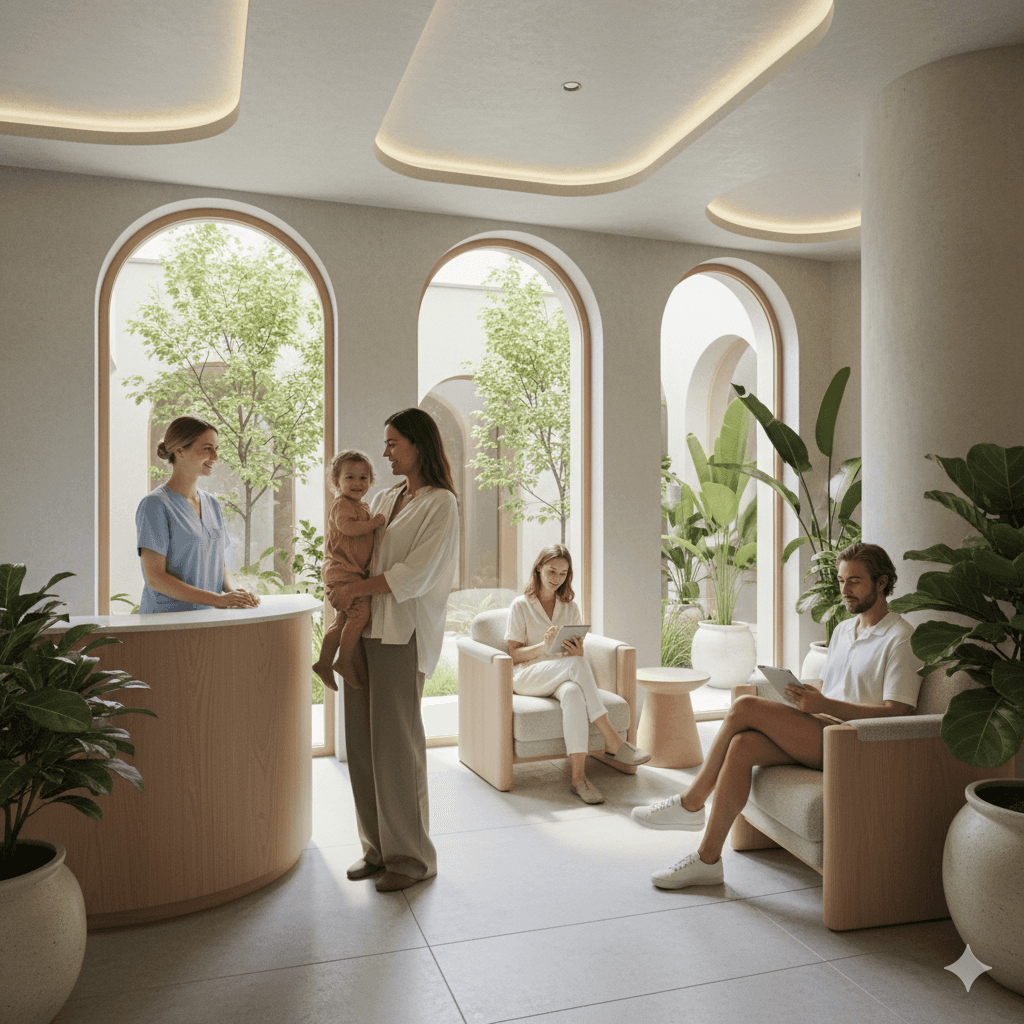
With CALLA handling the phones, the front desk can transition to a "heads-up" workflow. Staff can greet patients by name as they walk through the door. They can take the time to notice if a patient looks visibly unwell or distressed, acting as a first line of visual triage. This human connection is vital for building trust and reducing patient anxiety. A patient who feels seen and welcomed is a patient who is less likely to complain about wait times and more likely to remain loyal to the practice. By automating the background noise of telephony, the unified platform restores the human face of the clinic.
Key Takeaways
Offload repetitive booking and inquiry tasks.
Allow staff to focus on clinical coordination.
Improve patient experience through high-touch support.
Reduce burnout from constant phone pressure.
The front desk of an Australian medical centre is the operational heartbeat of the practice, but all too often, it is a heartbeat under stress. If you stand in the waiting room of a typical busy clinic, you will likely witness a familiar scene: a receptionist attempting to greet a patient arriving for an appointment while simultaneously navigating a ringing phone, a beeping fax machine, and a queue of people waiting to pay. In this environment, the receptionist is forced to function as a frantic switchboard operator rather than a patient care coordinator. The sheer volume of reactive tasks—answering routine booking queries, rescheduling slots, and taking messages—consumes the vast majority of their time.
This operational model comes at a steep price. The opportunity cost of having highly trained staff tethered to the telephone is immense. When a staff member is answering a question that could have been automated, they are not managing recall lists, they are not assisting with complex triage, and they are not providing the high-touch, empathetic service that retains patients. To break this cycle of reactivity, Australian clinics must embrace the strategic shift toward intelligent automation. By deploying an AI receptionist within a unified clinical automation platform like MediQo, practices can liberate their staff from the tyranny of the telephone. This shift does not replace human staff; rather, it elevates them, allowing them to focus on value-adding tasks that drive the clinic’s growth and improve patient outcomes.
Share