Oct 5, 2025
6
min read
Medically Reviewed
Share



The Structural Flaw of Disconnected Systems
The primary driver of after-hours administrative burden is the lack of continuity between clinical tools. When a GP uses a standalone AI scribe, they are effectively using a digital dictaphone that generates text. That text must then be reviewed, copied, and pasted into the Practice Management System (PMS). If the patient requires a referral, the doctor must manually open a separate template, re-enter the patient’s details and clinical history, and then attach the relevant information. If the consult was via telehealth, the doctor likely had to toggle between a video window and the clinical notes, breaking their flow and concentration.
This constant "context switching" or "toggle tax" is not just annoying; it is time-consuming. Research indicates that it takes several minutes to regain full focus after an interruption or a switch between complex tasks. Over the course of a thirty-patient day, these lost minutes accumulate into hours. A unified platform eliminates this structural flaw by operating on a single, consistent data model. When the entire workflow—intake, consultation, documentation, and billing—occurs within one ecosystem, data flows automatically. There is no copy-pasting, no searching for windows, and no duplication of effort. This architectural advantage is the single most effective weapon against the encroaching tide of paperwork.
Automating the "Front Door" to Save Clinical Time
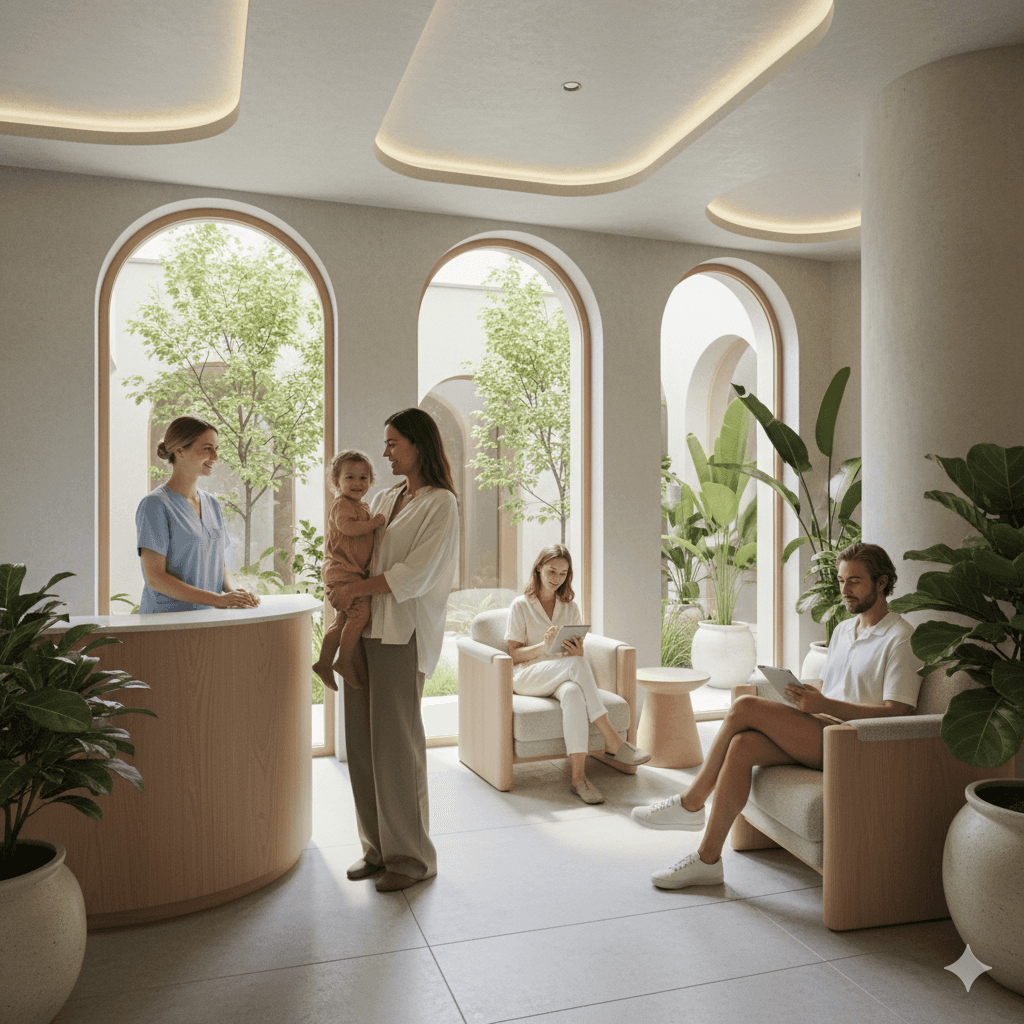
The administrative load of a consultation often begins before the patient even enters the room. In a traditional setup, the GP starts the consult with very little context, perhaps only a brief "reason for visit" note typed by a receptionist. The doctor then spends the first valuable minutes of the appointment gathering basic history and administrative details. This eats into the time available for clinical assessment and forces the documentation phase to be rushed or deferred until the evening.
MediQo addresses this upstream bottleneck through CALLA, its AI telephony module. CALLA is not merely an answering machine; it is an intelligent system capable of recognising conversational intent and operating 24/7. It captures structured pre-visit intake data during the patient's initial call, identifying the primary reason for the appointment and gathering relevant background information. Because MediQo is a unified platform, this data is not lost in a phone log. It is instantly available to the clinician via the platform’s interface. When the GP opens the patient file, they are presented with a structured summary of the intake. This allows the doctor to launch straight into high-value clinical reasoning, having essentially "outsourced" the initial data entry to the AI. By front-loading this administrative work, the pressure on the post-consult paperwork is significantly reduced.
Expert Tips
"The biggest misconception about 'pajama time' is that it's inevitable—a badge of honour for the dedicated doctor. It isn't. It's a symptom of broken workflows. When you rely on five different apps to do one job, you are manually acting as the glue between them. That manual gluing is what keeps you awake at 10 PM. The only way to reclaim your evenings is to move to a unified platform where the data flows faster than you can type. It’s about letting the system do the heavy lifting so you can get back to being a doctor, and eventually, just being a person." — Arash Zohuri, CEO, MediQo
Beyond Transcription: The Power of Ambient Documentation
The most significant contributor to "pajama time" is undoubtedly the drafting of clinical notes. The legal and clinical necessity of comprehensive documentation means that GPs often sacrifice their breaks to keep up. While standalone AI scribes have gained popularity, they often fall short of true workflow automation because they lack deep integration with the clinic’s broader data. They transcribe words, but they do not necessarily understand the clinic's specific workflow requirements or template structures.
A unified platform elevates this capability through a deeply integrated Clinical Assistant. MediQo’s Clinical Assistant uses real-time ambient documentation to listen to the consultation and generate SOAP-style notes, but it does so with an awareness of the patient’s context. It automates the heavy lifting of documentation by generating not just the consultation note, but also automated care and treatment plans based on clinic-approved templates. For Australian GPs managing chronic disease management plans—a notoriously paperwork-heavy aspect of general practice—this is a game-changer. The system can draft a comprehensive care plan in real-time, requiring only review and approval rather than manual composition. Similarly, it can generate smart referrals with complete clinical detail, pulling from the ambient data and the patient’s history. This transforms documentation from a retrospective memory test at 8 PM into a real-time byproduct of the consultation.
Key Takeaways
Automate clinical notes during consultations.
Use integrated task management inside the PMS.
Enable AI systems to pre-populate structured data.
Reduce tasks requiring after-hours logins.
For thousands of General Practitioners across Australia, the end of the scheduled consulting day does not signal the end of work. Instead, it marks the beginning of a "second shift," often referred to as "pajama time." This is the uncompensated, exhausting period spent late at night finishing clinical notes, processing referrals, and managing an overflowing inbox of administrative tasks. While the digitisation of health records was intended to make information more accessible, it has inadvertently turned many clinicians into high-paid data entry clerks. The click-heavy interface of the average electronic health record (EHR) demands more attention than the patient, leaving the doctor to play catch-up long after the clinic doors have closed.
The prevailing solution offered to clinics has been a piecemeal adoption of technology. A practice might implement an online booking system to help reception, a standalone telehealth app for video calls, and perhaps a niche AI scribe tool to assist with typing. While each of these tools solves a micro-problem, they collectively create a macro-disaster: fragmentation. Data remains trapped in silos, requiring the GP to act as the manual bridge between systems. To truly eradicate after-hours paperwork, Australian GPs must leverage technology that unifies these disparates into a single, cohesive workflow. The answer lies not in more apps, but in a unified clinical automation platform like MediQo that connects the patient journey from the initial phone call to the final billing submission.
Share