
Oct 5, 2025
6
min read
Medically Reviewed
Share






Redefining Access: The Phone is Still the Door
There is a prevailing myth in digital health that "digital" means "online only." However, data from across the Australian general practice sector suggests that the telephone remains the primary channel for patient access. Whether it is an elderly patient who struggles with apps, a parent with a sick child needing reassurance, or a complex patient requiring a specific appointment type, the phone is often the preferred method of contact. A "Digital Front Door" that ignores the telephone is an incomplete solution.
MediQo addresses this reality by digitising the voice channel itself. Through CALLA, its AI telephony module, the platform transforms the phone line into an intelligent, automated entry point. CALLA operates 24/7, handling calls with the ability to recognise conversational intent. It does not force patients into a rigid "press 1 for reception" menu; it engages them in natural dialogue. It can manage bookings, answer routine queries about opening hours or fees, and capture messages. By automating the voice channel, the clinic effectively keeps its front door open around the clock. This accessibility significantly improves patient satisfaction, as the frustration of busy signals and hold music is eliminated. It ensures that the clinic captures every opportunity to provide care, rather than losing patients to competitors who pick up the phone faster.
The End of the Clipboard: Seamless Data Ingestion
The second component of an effective digital front door is the intake process. In a traditional workflow, the "front door" experience involves handing the patient a physical form to fill out upon arrival. This creates a bottleneck at reception and introduces the risk of transcription errors when staff manually enter the data into the Practice Management System (PMS). It also means that the clinical team has no visibility into the patient’s status until the moment they enter the consultation room.
A unified platform transforms intake into a seamless digital workflow. When a patient engages with CALLA or the platform’s booking tools, the system captures structured pre-visit intake data. It asks the patient for the reason for their visit, changes in their medical history, or updates to their contact details. Because MediQo is built on a unified data model, this information flows directly into the patient’s file. The physical clipboard is rendered obsolete. The benefit here is twofold: efficiency and accuracy. Reception staff are liberated from data entry tasks, allowing them to focus on greeting patients warmly. Meanwhile, the data integrity of the practice improves because the information comes directly from the source—the patient—without passing through a manual transcription filter.
Expert Tips
"We often think of the 'front door' as the place where the patient enters the building. But in 2024, the front door is the moment the patient thinks, 'I need a doctor.' If that thought is met with a busy signal or a confusing website, the door is effectively locked. A unified digital front door unlocks the practice. It uses AI to answer the call, capture the story, and prepare the doctor. It turns the chaotic process of 'getting in' into a smooth, welcoming journey. When you fix the front door, you fix the flow of the entire clinic." — Arash Zohuri, CEO, MediQo
The "Warm Start": Connecting the Door to the Doctor
The true power of a unified digital front door lies in its connection to the clinical workflow. In a fragmented technology stack, the booking system and the clinical notes are often strangers. The doctor sees a name in the calendar but has no context for the visit until they ask the patient. This "cold start" wastes valuable consultation time and can make the patient feel like they are being processed rather than cared for.
MediQo leverages the "Platform Advantage" to create a "warm start." The intake data and conversational context captured by CALLA flow into the History-at-a-Glance feature. This dashboard presents the General Practitioner (GP) with a unified clinical timeline that includes recent calls, booking intent, medications, and flags. Before the patient even walks in, the doctor knows why they are there. They know if the patient reported a fever during the booking call or if they are attending for a chronic disease review. This continuity of information transforms the consultation. The doctor can launch immediately into high-value clinical reasoning, building rapport by acknowledging the patient’s needs from the first second. This level of personalisation is only possible when the digital front door opens directly into the consulting room.
Key Takeaways
Provides 24/7 access for patients to book appointments or make enquiries.
Creates a modern, professional first impression for new patients finding you online.
Reduces phone queues and pressure on the front desk team.
Facilitates initial digital triage before the patient arrives at the clinic.
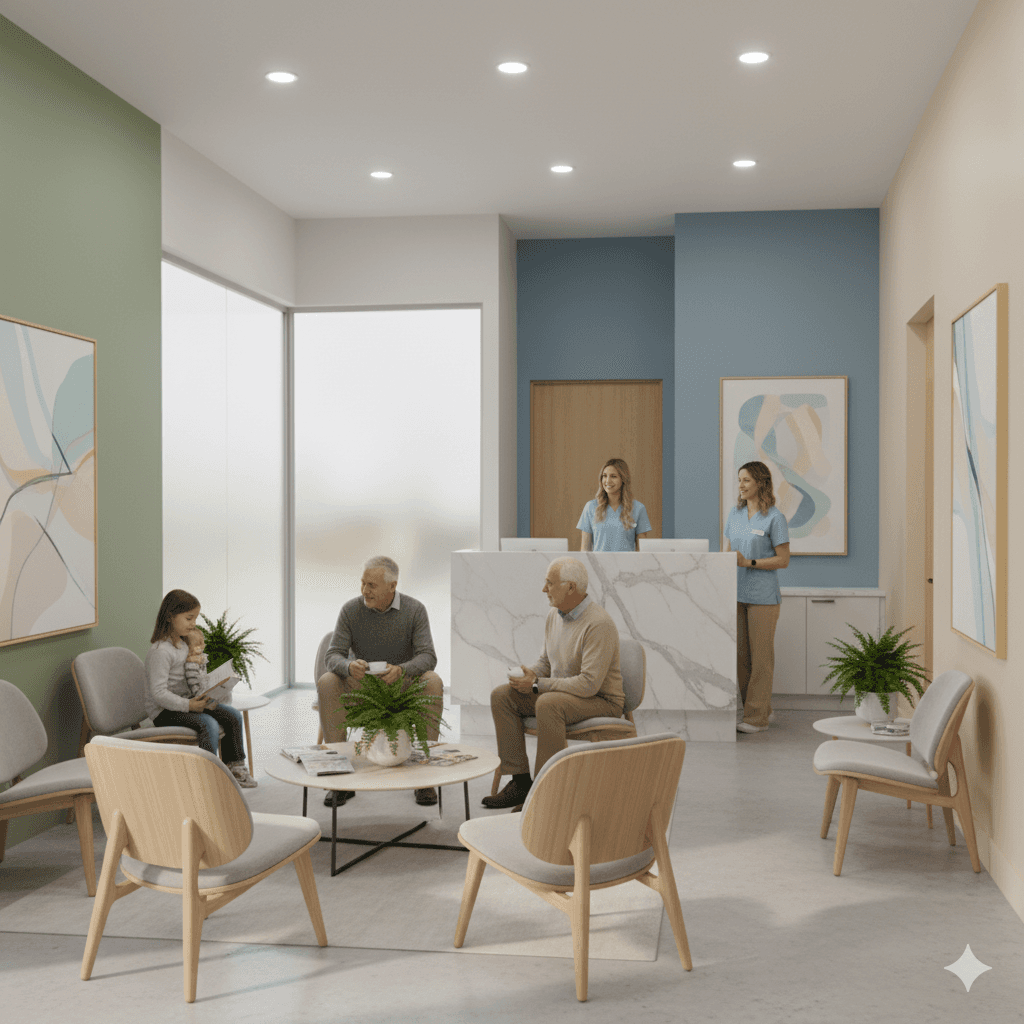
In the rapidly evolving landscape of Australian healthcare, the concept of the "waiting room" is changing. Historically, a patient’s experience with a medical practice began when they walked through the physical front door, approached the reception desk, and picked up a clipboard. Today, the patient journey begins long before they leave their home. It starts with a Google search, a website visit, or, most commonly, a phone call. This digital entry point is what industry leaders refer to as the "Digital Front Door." However, for many clinics, this door is currently creaky, hard to open, and disconnected from the rest of the house. Patients face long hold times, clunky online forms that do not work on mobiles, and a fragmented booking process that requires them to repeat their story multiple times.
The solution to this friction is not merely to add a "Book Now" button to the clinic website. To truly modernise, Australian medical centres must adopt a comprehensive, unified digital front door that is deeply integrated with the clinical operations of the practice. This means moving away from standalone booking apps and answering services, and towards a unified clinical automation platform. By leveraging a system like MediQo, which connects the initial patient interaction directly to the clinical record and the billing engine, practices can transform the digital front door from a barrier into a strategic asset. This article explores the profound operational, clinical, and financial benefits of getting the front door right.
Share