
Oct 5, 2025
6
min read
Medically Reviewed
Share






The Paradox of Automation: Why High-Tech Means High-Touch
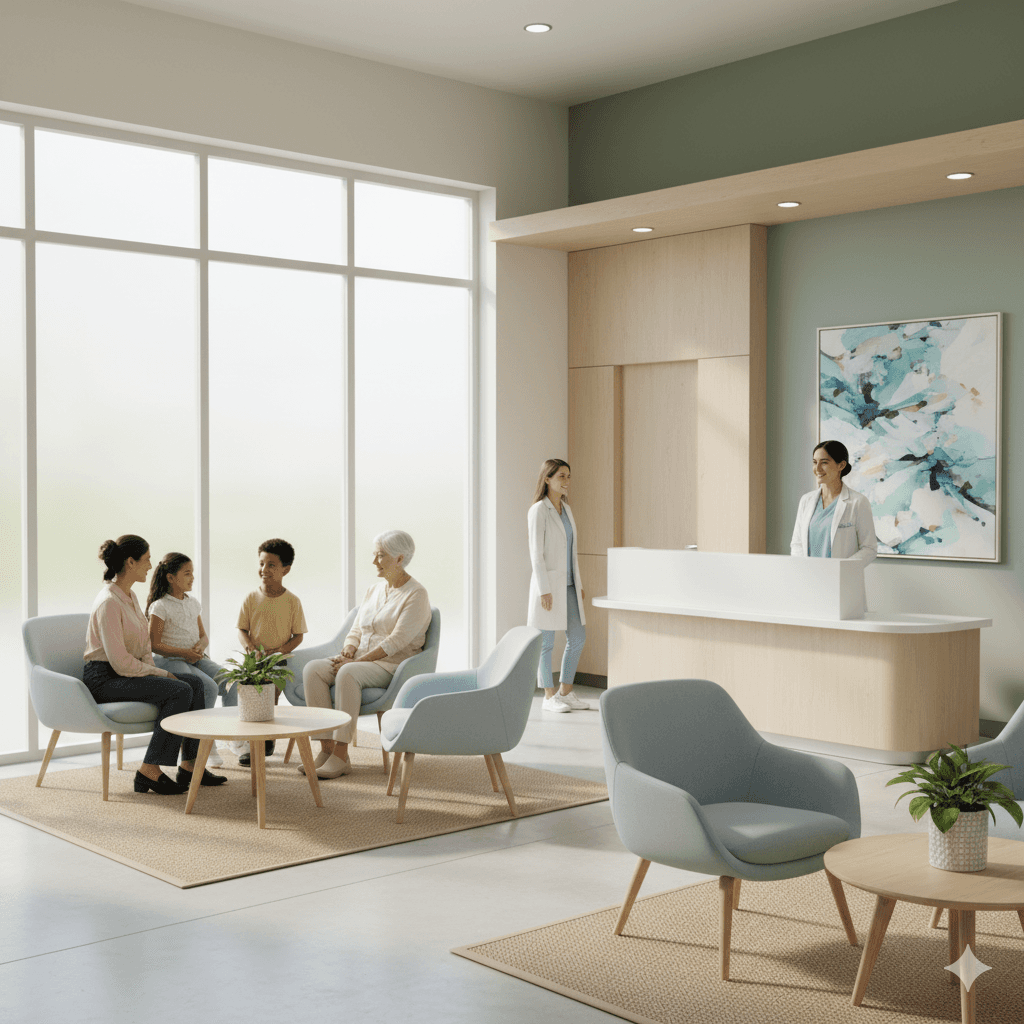
There is a common misconception that "personalisation" requires a human to perform every task manually. In reality, a manual workflow often leads to a depersonalised experience. When a receptionist is overwhelmed by ringing phones, they cannot offer a warm greeting to the elderly patient standing at the desk. When a General Practitioner (GP) has to spend the first five minutes of a consult typing in basic history because the intake form was lost, they are looking at a screen, not the patient. In these scenarios, the human element is present, but the human connection is absent due to administrative friction.
An AI-powered front office solves this paradox by removing the friction. By deploying intelligent automation to handle the mechanics of the practice—booking, intake, data entry—the technology liberates the staff to focus on the person. A unified platform enhances this further by providing context. True personalisation is based on context; it is the feeling of being remembered and understood. When a platform captures the patient’s intent during an automated call and presents it instantly to the clinical team, the patient is treated as an individual with a specific history, rather than a generic appointment slot. Thus, the strategic application of high-tech tools results in a high-touch experience.
CALLA: The 24/7 Concierge, Not an Answering Machine
The most significant friction point in the patient journey is the telephone. Traditional Integrated Voice Response (IVR) systems—"press 1 for appointments"—are universally disliked because they act as gatekeepers rather than facilitators. They force the patient to navigate a rigid menu, offering no sense of empathy or understanding.
MediQo transforms this experience through CALLA, an AI telephony module that acts as an intelligent concierge. CALLA operates 24/7, ensuring that the patient can engage with the clinic on their own schedule, not just during business hours. Unlike standard IVR, CALLA utilises advanced conversational intent recognition. It listens to the patient’s voice, understands the context of their request, and engages in a natural dialogue. It can handle bookings directly into the Practice Management System (PMS), answer routine questions, and capture structured pre-visit intake data.
The personalisation factor here is profound. The patient is heard immediately, without waiting in a hold queue. If they are calling to discuss a sensitive issue, CALLA captures that information discreetly and accurately. Because CALLA is integrated into the unified platform, it can recognise returning patients (based on phone number matching within the PMS), creating a sense of continuity. The AI agent effectively acts as a dedicated staff member who never sleeps, ensuring that every patient feels their needs are being addressed instantly and professionally.
Expert Tips
"We often confuse 'personal' with 'manual.' We think that if a human types the name, it means we care more. But if that human is stressed, rushed, and makes a typo, the patient doesn't feel cared for—they feel processed. Real personalisation comes from knowledge. It comes from a system that remembers the patient's name, their history, and their needs, and presents that to the doctor instantly. When you use AI to carry the context, you free up the human to carry the compassion." — Arash Zohuri, CEO, MediQo
Data Continuity: The Secret to Feeling "Known"
Nothing frustrates a patient more than having to repeat their story. They tell the receptionist they have a sore throat, then they fill out a form stating they have a sore throat, and finally, the doctor asks, "What brings you in today?" This repetition signals to the patient that the clinic is disjointed and that the staff are not communicating. It erodes trust and makes the experience feel transactional.
A unified clinical automation platform eliminates this fragmentation. The "platform advantage" of MediQo lies in its single, consistent data model. When CALLA captures the reason for the visit during the initial phone interaction, that data is not trapped in a call log. It flows automatically into the patient’s clinical timeline, visible via the History-at-a-Glance feature. When the patient arrives at the clinic, the reception team can see the intake summary. When they enter the consultation room, the GP has the same information on their screen. This seamless flow of data means the patient is "known" by the entire system. The doctor can start the consult by saying, "I see you’ve been having trouble with a sore throat for three days," instantly establishing rapport and demonstrating that the clinic is competent and attentive.
Key Takeaways
Greet patients by name and remember preferences.
Tailor appointment reminders and follow-ups.
Use smart routing to connect patients faster.
Build stronger loyalty through consistent support.
In the rapidly evolving landscape of Australian healthcare, a silent tension has emerged between efficiency and empathy. Clinic owners and Practice Managers are under immense pressure to process higher volumes of patients to maintain financial viability, yet they are equally aware that the essence of general practice is the personal connection. For decades, the "front office" of a medical centre has been the battleground for this tension. It is the place where the phone rings incessantly, where patients stand in queues, and where stressed reception staff attempt to act as the compassionate face of the clinic while simultaneously functioning as data entry clerks. In this chaotic environment, the patient experience often suffers. Patients feel like numbers in a queue, forced to repeat their stories to multiple staff members, waiting on hold, and interacting with harried personnel.
The rise of Artificial Intelligence (AI) in healthcare is often viewed with suspicion by those who fear it will make the experience even more robotic and impersonal. However, this view misunderstands the true potential of the technology. When implemented correctly through a unified clinical automation platform, AI does not replace the human connection; it rescues it. By automating the repetitive, low-value administrative tasks that clog the front office, AI creates the space for genuine human interaction. Furthermore, by ensuring that patient data flows seamlessly from the first phone call to the consultation room, a platform like MediQo ensures that the patient feels "known" at every touchpoint. This article explores how an AI-powered front office can be the key to unlocking a deeply personalised, high-touch patient experience.
Share